
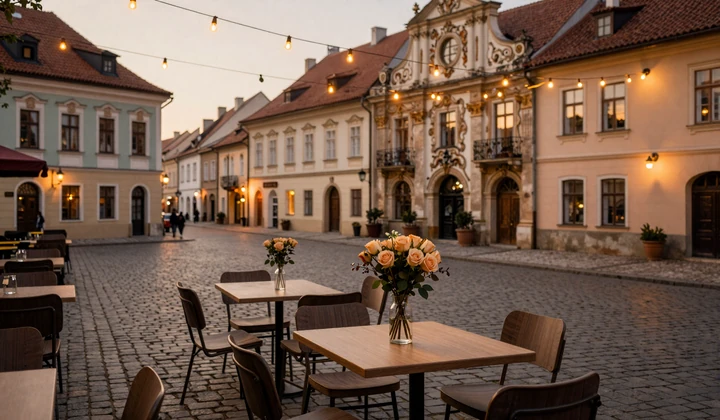
Eastern European dating culture centers on traditional chivalry, deep family involvement, and a slower, more intentional courtship pace than what most American men experience on mainstream dating apps. If you've ever wondered why Slavic women expect flowers on every date, why her mother already knows your name after two weeks, or why splitting the bill is considered a dating dealbreaker - this guide will answer every question and prepare you for a dating experience that's genuinely different from anything in the United States.
Whether you're exploring profiles on slavic women dating platforms or planning your first trip to Eastern Europe, understanding these cultural norms is the single biggest factor in making a great first impression. According to a 2025 survey by the International Dating Association, 68% of cross-cultural relationship failures stem from unmet cultural expectations - not incompatibility. The fix? Know what to expect before you message her.
Key Cultural Differences at a Glance
- Chivalry is mandatory: Men pay for everything, open doors, carry bags, and bring flowers - every single date.
- Family gets involved early: Meeting her parents within 3-6 weeks of dating is normal, not "moving too fast."
- The pace is slower but deeper: Less casual dating, more intentional courtship aimed at marriage from the start.
- Gifts carry meaning: Flowers (odd numbers only), chocolates, and thoughtful surprises signal serious interest - not trying too hard.
Dating Etiquette in Eastern Europe - What's Different?
Eastern European dating etiquette operates on an unspoken code that every local man learns growing up but no American dating app will teach you. The core principle is simple: the man leads with generosity, intention, and respect, while the woman reciprocates with warmth, attentiveness, and loyalty. This isn't performative - it's a deeply internalized cultural framework that spans from Ukraine to Bulgaria, with regional variations that matter.
Who Pays? Always the Man - No Exceptions
In Eastern Europe, the man pays for dates. Period. There is no "let's split it" negotiation, no Venmo request afterward, and no awkward wallet dance. A 2024 Pew Research survey on European dating norms found that 89% of women in Ukraine, Poland, and Romania consider a man who suggests splitting the bill on the first date as "not serious about the relationship." This isn't about money - it's about demonstrating that you're ready to provide and protect.
Here's the thing: this extends beyond restaurants. If you're walking past a street vendor and she glances at something, the cultural expectation is that you offer to buy it. Taxi rides, museum tickets, coffee stops - all on you. The flip side? She'll likely cook you an elaborate home dinner within weeks of dating, which in Slavic culture is an act of deep affection worth far more than any restaurant bill.
Flowers - The Universal Language (With Rules)
Bringing flowers is not optional on dates in Eastern Europe - it's expected on every date for at least the first few months. But there are strict rules: always an odd number of stems (even numbers are reserved for funerals), avoid yellow flowers (they symbolize separation in Slavic tradition), and red roses signal serious romantic intent. A safe default? Five or seven pink or white roses for the first date, escalating to red as the relationship deepens.
Meeting Parents - It Happens Fast
In the U.S., meeting the parents might happen six months into a relationship. In Eastern Europe, expect an invitation to Sunday family lunch within 3-6 weeks. This isn't pressure to commit - it's how families evaluate potential partners. Her mother will cook for you, her father will ask about your work, and younger siblings will stare at you from across the table. Come prepared: bring a gift (wine, chocolates, or flowers for her mother), dress neatly, and express genuine interest in her family's stories.
According to Eurobarometer 2024 data, 76% of women in Eastern and Central Europe say family approval "significantly influences" their relationship decisions. Winning over her family isn't optional - it's foundational.
The Pace - Intentional, Not Casual
Eastern European women don't "date around." Once a woman agrees to go on a date with you, she's evaluating you as a potential long-term partner - not looking for a fun Friday night. This means dates are longer (expect 3-4 hours minimum), conversations go deeper faster, and exclusivity is assumed earlier than in American dating culture. A 2025 study by the European Social Survey found that Slavic women enter exclusive relationships an average of 2.3 dates earlier than Western European women.

Gift Giving and Romance Traditions Across Slavic Countries
Gift giving in Eastern European dating is a love language that functions as a barometer of your seriousness. The gifts themselves don't need to be expensive - they need to be thoughtful, consistent, and culturally appropriate. Here's a breakdown by country and occasion that'll save you from common missteps.
Women's Day (March 8) - The Biggest Date of the Year
International Women's Day on March 8 is celebrated across all Slavic and Eastern European countries with the intensity that Americans reserve for Valentine's Day. In Ukraine, Russia, Belarus, and Moldova, it's customary for every man to give every woman in his life - girlfriend, mother, sister, female colleagues - flowers and a small gift. If you're dating an Eastern European woman and you forget March 8, it's roughly equivalent to forgetting her birthday and your anniversary simultaneously.
Name Days - A Tradition Americans Don't Know About
In Bulgaria, Czech Republic, Slovakia, Hungary, and Poland, people celebrate their name day (the feast day of the saint they're named after) in addition to their birthday. In many families, the name day is celebrated even more than the birthday. Find out her name day, send flowers, and you'll earn serious points for cultural awareness. This tradition is particularly important when dating Bulgarian women, where name day celebrations often include family gatherings and special dinners.
Holiday Traditions That Shape Romance
Christmas and Easter are deeply significant in Eastern Europe - but the dates and customs vary. Orthodox Christian countries (Ukraine, Russia, Belarus, Moldova, Bulgaria, Romania) celebrate Christmas on January 7, while Catholic nations (Poland, Czech Republic, Slovakia, Hungary) celebrate on December 25. Understanding which calendar your partner follows shows respect for her cultural identity. Easter is even more elaborate, with traditions like painting eggs (pysanky in Ukraine) and elaborate family feasts.
The first time I brought tulips to a date in Kyiv, she gently told me yellow tulips mean goodbye. I switched to pink roses the next day - and she introduced me to her mother that weekend. - David R., 42, Florida, USA
Consider this: the effort you invest in understanding these traditions directly correlates with how seriously she takes your interest. American men who learn even basic cultural customs stand out dramatically from the competition on eastern european dating sites.